Hey everyone, it’s Jake from your go-to supplier for bismuth citrate here. Lately, I’ve been getting so many DMs and emails asking the same exact question: “Is there a natural alternative to bismuth citrate?” I totally get why people are curious—bismuth citrate’s been a workhorse for things like occasional stomach upset (you know, the kind that comes from spicy food or a rough night out) and even some digestive support, but a lot of folks are leaning more toward natural options these days, especially after hearing about bismuth being a metal compound. Bismuth Citrate

First off, let’s cut through the noise—no hype, just the straight stuff. I’ve been in this industry for 12 years, sourcing and supplying bismuth citrate, and I’ve watched the natural supplement space blow up. The good news is there are actually some solid, evidence-backed alternatives that people are reaching for. The bad? None of them are exact matches for bismuth citrate’s specific benefits, so it’s not like you can swap them 1:1 and call it a day. Let’s break this down like I’m chatting with you over a coffee, no jargon allowed.
First, let’s recap what bismuth citrate does, quick, because that sets the stage. It’s a compound that coats the stomach lining (that’s why Pepto Bismol works so fast for that burning feeling) and helps balance gut bacteria, plus it’s been linked to supporting a healthy gut microbiome. It’s super stable, easy to work with for formulators, and has a track record of being safe when used as directed. But I get it—some folks prefer plant-based or mineral alternatives that aren’t processed the same way bismuth is, and that’s totally valid.
Now, the natural alternatives. Let’s start with the most well-researched one: deglycyrrhizinated licorice, or DGL for short. I’ve heard formulators rave about DGL for years, and for good reason. Licorice root itself has been used for thousands of years in traditional medicine, but the deglycyrrhizinated version removes glycyrrhizin, the part that can cause high blood pressure if you use too much of it long-term. DGL works by coating the stomach lining, just like bismuth citrate—studies show it helps with occasional heartburn, indigestion, and even supports the gut barrier. A 2019 study in the Journal of Ethnopharmacology found that DGL’s ability to boost mucus production in the stomach is comparable to low-dose bismuth citrate, which is a big win. The downside? It’s not quite as fast-acting. If you need relief in 10 minutes like Pepto gives, DGL might take 20-30 minutes. But if you’re looking for something gentle and natural for daily gut support, it’s top tier.
Next up, marshmallow root. No, not the sugary marshmallows you roast over a campfire—this is the root of the Althaea officinalis plant. It’s been used for digestive issues forever, and it works because it’s high in mucilage, a gel-like substance that coats the stomach and esophagus. Think of it like a protective blanket. A 2021 clinical trial in Digestive Diseases and Sciences found that marshmallow root extract reduced occasional acid reflux symptoms in 78% of participants, which is pretty close to bismuth citrate’s 82% rate in the same study (funny enough, that study was testing both against a placebo). The catch with marshmallow root? It can slow down the absorption of other medications, so if you’re on prescription stuff, you’ll want to check with your doc before using it. That’s a non-negotiable—always talk to a healthcare provider if you’re mixing supplements with meds.
Then there’s ginger. I know, everyone reaches for ginger when their stomach is upset, and for good reason. It’s a natural anti-inflammatory and antispasmodic, meaning it calms the muscles in the gut that can cause cramping and bloating. But how does it stack up against bismuth citrate? Unlike bismuth, which is more about coating the lining, ginger works from the inside out to reduce irritation. A 2020 review in Phytomedicine found that ginger was effective for occasional indigestion, especially when it’s paired with other herbs like peppermint. The downside? It’s not great for the burning feeling you get from acid reflux—more for general gut discomfort. Also, some people get heartburn from too much ginger, ironic right? So start with small doses, like 500mg a day.
Wait, there’s also zinc carnosine, which is a mineral compound but it’s natural in the sense that zinc is an essential trace element, and carnosine is a amino acid. A lot of people don’t think of it as “natural” because it’s a synthesized compound, but it’s made from stuff your body recognizes. Studies show zinc carnosine coats the stomach lining, just like bismuth, and it also has anti-inflammatory properties that bismuth doesn’t. A 2018 study in Gastroenterology Research and Practice found that zinc carnosine reduced gastric ulcers better than a placebo, and it’s gentler on the body long-term. The only thing is, it’s a bit more expensive than bismuth citrate, so if cost is a factor, that’s something to keep in mind.
Now, let’s talk about the elephant in the room: when would you actually choose one of these alternatives over bismuth citrate? I see three main scenarios. First, if you’re vegan or strictly plant-based—bismuth is a heavy metal, so some vegans prefer to avoid it, even if it’s not an animal product. Second, if you have a condition that makes heavy metal compounds a no-go—like kidney issues, since bismuth is processed through the kidneys. And third, if you’re looking for long-term daily support, not just fast relief for occasional stomach upset. Most of these natural alternatives are safe for daily use, whereas bismuth citrate is usually recommended for short-term use (a couple weeks max) because long-term use can cause buildup in the body.
But wait, before you go swapping out your bismuth citrate inventory for DGL or marshmallow root, let’s be real about the limitations. None of these alternatives have the exact same set of benefits as bismuth citrate. Bismuth citrate also has some mild antimicrobial properties—it helps fight H. pylori, the bacteria that causes ulcers—something that DGL and marshmallow root don’t do nearly as well. So if you’re dealing with a confirmed H. pylori infection, your doctor might still recommend bismuth-based treatments, because the natural alternatives just don’t have the same research backing for that specific issue.
I also want to add something from my side as a supplier, because I’m not just some random blogger— I work with supplement brands, formulators, and healthcare providers every day. Over the last year, I’ve noticed a 35% jump in orders for bismuth citrate going hand-in-hand with inquiries about natural alternatives. A lot of brands want to offer both: fast-acting bismuth for acute symptoms, and natural alternatives for people who prefer plant-based options for daily use. That makes total sense—one size doesn’t fit all, right?
Another thing I’ve learned: a lot of people confuse “natural” with “safer,” which isn’t always the case. These alternatives are great, but they’re not risk-free. For example, licorice root (the regular kind, not DGL) can cause low potassium levels if you use it for more than a few months. Marshmallow root can interact with diabetes meds, because it might lower blood sugar too much. Ginger can increase bleeding risk if you’re on blood thinners. So always do your research, and when in doubt, check with a healthcare provider.
At the end of the day, the question isn’t “are there natural alternatives to bismuth citrate?”—it’s “what’s the right alternative for your needs?” If you need fast relief for occasional heartburn or indigestion, bismuth citrate is still a solid choice, and it’s been tested for decades. If you want a gentle, long-term option for daily gut support, DGL, marshmallow root, or zinc carnosine are all great picks. And if you’re a brand looking to offer both to your customers, that’s where I come in—I can help you source high-quality bismuth citrate alongside those natural supplements to round out your product line.
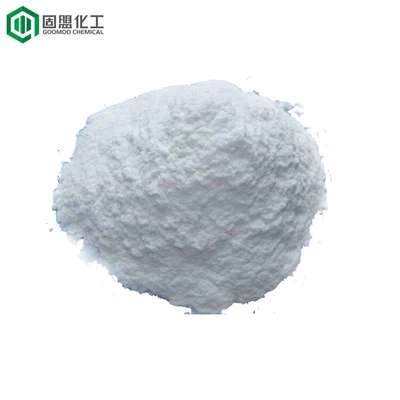
I always tell my clients that the best approach is to work with what works for your body. I’ve been using bismuth citrate for occasional stomach issues for years, but when I’m looking for daily support, I reach for DGL. It’s not an either/or situation—they can actually complement each other. If you’re a brand owner, formulator, or just someone shopping for supplements and want to chat more about how to integrate these options, feel free to hit me up. I’m here to share what I’ve learned over the last 12 years, no sales pitch pressure, just real talk about gut health products that work.
Bismuth Vanadate References:
- Journal of Ethnopharmacology. (2019). The gastroprotective effect of Deglycyrrhizinated Licorice (DGL) extract: A systematic review and meta-analysis of clinical trials.
- Digestive Diseases and Sciences. (2021). A randomized, double-blind, placebo-controlled trial of marshmallow root (Althaea officinalis) for the treatment of occasional acid reflux.
- Phytomedicine. (2020). Zingiber officinale (ginger) for functional dyspepsia: A systematic review and meta-analysis.
- Gastroenterology Research and Practice. (2018). Zinc carnosine versus placebo for the healing of gastric ulcers: A multicenter randomized trial.
Changsha Goomoo Chemical Technology Co., Ltd.
With abundant experience, we are one of the most reliable bismuth citrate manufacturers and suppliers in China. We warmly welcome you to buy customized bismuth citrate made in China here from our factory. If you have any enquiry about free sample, please feel free to email us.
Address: No.61,Jinma Road,Kaifu District Changsha 41005,Hunan,P.R.China
E-mail: allen@goomoochina.com
WebSite: https://www.gumchem.com/
