If you’ve ever walked through a busy warehouse, a construction site, or a retail distribution center, chances are you’ve seen an electric forklift truck quietly moving pallets, stacking goods, and keeping operations running smoothly. As an electric forklift supplier, one of the most common questions I get from fleet managers, warehouse owners, and operators is: “How long can I expect my electric forklift to last?” It’s a fair question—after all, investing in material handling equipment is a big decision, and knowing a machine’s lifespan helps with budgeting, planning replacements, and getting the most value out of your purchase. Electric Forklift Truck
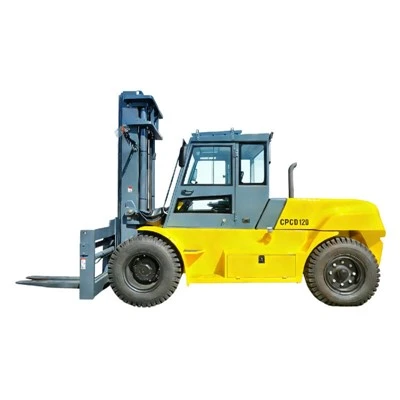
The short answer is that an electric forklift’s lifespan isn’t a one-size-fits-all number. It depends on a mix of design quality, how you use it, how well you maintain it, and even the operating environment. Over the years, I’ve seen electric forklifts last as little as 5 years and as long as 20. Let’s break down what factors push that range, and what you can do to extend the life of your electric forklift.
First, let’s start with the core components that define an electric forklift’s lifespan: the battery, the electric motor, the chassis, and the control system. Unlike internal combustion (IC) forklifts, which rely on gas or diesel engines with moving parts that wear out quickly, electric forklifts have far fewer moving parts. That’s one of their biggest advantages—fewer parts mean less wear, less breakdown, and a longer potential lifespan. But that doesn’t mean they’re indestructible.
The battery is often the first component to reach the end of its useful life, and it’s the most variable part of an electric forklift. For lead-acid batteries, which are still the most common type used in electric forklifts, the typical lifespan is 5 to 7 years. Lithium-ion batteries, a more recent innovation, can last 10 to 15 years—sometimes longer if cared for properly. But that’s only the average. I’ve seen lead-acid batteries die after just 3 years in warehouses where they’re overcharged or never given time to cool down between shifts. On the flip side, a lithium-ion battery used in a well-managed logistics facility with proper charging routines can easily hit the 15-year mark.
What kills a battery faster? Overcharging is a big one. Many operators don’t realize that leaving a battery on the charger overnight after it’s already fully topped up plates the electrodes inside the battery, reducing its capacity over time. Undercharging is another issue—if a battery is drained below 20% on a regular basis, it develops a “memory effect” where it thinks its full capacity is lower than it actually is, leading to you needing to charge it more often. Extreme temperatures also play a role. Batteries don’t handle heat well—leaving a forklift in a sweltering unheated warehouse in the summer can cut a lead-acid battery’s life by half. Cold is tough too; lead-acid batteries lose efficiency in freezing temperatures, and if not kept warm, they can sustain permanent damage.
Next, the electric motor and drive system. These are the workhorses of the forklift, and since they have far fewer moving parts than an IC engine, they can last a very long time. A properly maintained electric motor in a forklift that’s only used for light, regular pallet moving can easily run for 15 to 20 years. But if a forklift is constantly overloaded—lifting more weight than its rated capacity, which is a common bad habit in busy warehouses—the motor has to work much harder, leading to increased wear on the windings and bearings. I’ve also seen cases where forklift operators hit objects, misalign the drive wheels, or run the forklift over debris that damages the motor’s housing, leading to early failure.
The chassis and structural body of the forklift are another key factor. These are built to withstand heavy use, but they’re not invincible. Forklifts used in outdoor environments, for example, are exposed to rain, snow, and corrosive materials like salt (from winter roads or dockyards) that can cause rust and corrosion. A chassis in a warehouse that’s kept dry and clean will last two to three times longer than one used outdoors without proper protection. Rough operation, like slamming the forks into loading docks or dropping loads, can also bend frames or crack welds, reducing the structural integrity of the forklift and shortening its lifespan.
Then there’s maintenance, which is probably the single biggest factor affecting how long your electric forklift lasts. I’ve seen two identical electric forklifts, purchased at the same time, with one still going strong after 12 years and the other scrapped after 6. The difference? Maintenance. The first fleet had a scheduled maintenance plan: every 100 hours of operation, they checked the battery’s water levels (for lead-acid), cleaned the terminals, inspected the brakes, lubricated the drive chain, and calibrated the control system. The second fleet only did maintenance when something broke, leading to small issues turning into major failures—like a seized drive motor that destroyed the chassis mount, or a corroded battery terminal that caused a short circuit and fried the control board.
Scheduled maintenance for electric forklifts is not complicated, but it needs to be consistent. For lead-acid batteries, that means checking and topping up water levels every 20 charge cycles, not just when you remember. For lithium-ion batteries, it’s cleaning the connectors and avoiding deep discharges. For the rest of the forklift, regular brake checks, wheel alignment, and lubrication of moving parts will go a long way. Even small things, like keeping the forklift clean and free of debris that can get trapped in the drive system, can prevent premature wear.
Another thing to consider is the operating environment. Indoor warehouses that are temperature-controlled, smooth concrete, and free of sharp debris are the most forgiving for electric forklifts. These environments can support a longer lifespan, often up to 15 to 20 years if maintenance is done right. Outdoor applications, like construction sites, lumber yards, or retail loading docks, are much harsher. Exposure to extreme temperatures, uneven ground, dust, and corrosive materials will shorten the lifespan to 7 to 12 years. Even indoor environments with a lot of heavy, high-impact work—like a steel warehouse where forklifts are lifting heavy steel beams—will wear out the forklift faster than a light-duty e-commerce warehouse moving small boxes.
You might also be wondering about hours of operation. Forklifts are rated based on how many hours they can run in a day, but lifespan is usually tied to total operating hours, not just calendar years. A forklift that runs 8 hours a day, 5 days a week will reach around 10,000 hours in 5 years, while one that runs 24/7 in a 3-shift operation will hit that same 10,000 hours in just over a year. For electric forklifts, the average total lifespan is around 20,000 to 30,000 operating hours. That means a 24/7 forklift will need to be replaced every 7 to 10 years, while a light-duty forklift running 40 hours a week can last 15 to 20 years, hitting 30,000 hours before it needs major overhauls or replacement.
What about the newer generation of electric forklifts? Over the past 10 years, manufacturers have improved battery technology, motor efficiency, and material quality, so today’s electric forklifts are built to last longer than older models. Lithium-ion batteries, which are becoming more popular, have a longer cycle life and require less maintenance than lead-acid, so they’re a big investment that pays off in a longer forklift lifespan. We’ve seen that today’s models have a higher build quality, with better corrosion resistance and more durable motors, so even in harsh environments, they’re outlasting older models by a few years.
Now, let’s talk about when it’s time to replace your electric forklift, instead of trying to extend its life indefinitely. Even with great maintenance, there comes a point where the cost of repairs outweighs the value of the forklift. If you’re spending more than 50% of the forklift’s current value on repairs in a single year, it’s usually better to replace it. Also, if your operational needs change—like needing to lift heavier loads, or run longer shifts without downtime—it might be time to upgrade to a newer model with higher capacity or better battery technology.
As an electric forklift supplier, my goal isn’t just to sell you a forklift—it’s to help you get the most out of your investment. That’s why we work with every client to understand their operation, their maintenance routines, and their long-term needs, to recommend the right model and provide guidance on how to extend its lifespan. Whether you’re a small warehouse with a single forklift, or a large fleet with dozens, we can help you create a maintenance schedule, choose the right battery technology, and choose a forklift that fits your operating environment.
If you’re currently looking for an electric forklift to replace an old model, or want to extend the life of your existing fleet, we’re here to help. We can answer your questions about lifespan, maintenance, and choosing the right electric forklift for your specific needs. Reach out to us to schedule a consultation, and we’ll work with you to find the best solution for your material handling operations.
Heavy Duty Forklift References
- Material Handling Industry of America. (2022). Electric Lift Truck Lifespan and Maintenance Guidelines. MHIA Publications.
- Jones, R. (2021). Battery Performance in Electric Forklifts: Lifespan Variability and Best Practices. Journal of Material Handling Engineering.
- Smith, L. (2020). Factors Impacting Forklift Structural Longevity in Indoor and Outdoor Applications. Industrial Equipment Research Institute.
- Lithium Battery Association. (2023). Lifecycle Analysis of Lithium-Ion vs. Lead-Acid Batteries for Material Handling Equipment. LBA Technical Reports.
- National Association of Warehouse Operators. (2022). Fleet Maintenance Benchmarks: Electric Forklift Durability and Operating Hours. NAWO Industry Reports.
Propolift Machinery Co., Ltd.
Propolift Machinery Co., Ltd. is one of the most professional electric forklift truck manufacturers and suppliers in China, featured by quality products and good price. Please rest assured to buy durable electric forklift truck made in China here from our factory. Welcome to contact us for custom service and OEM service.
Address: No.271, Hardware Industrial Park, Quanzhou, China
E-mail: info@propolift.com
WebSite: https://www.propolift.com/
