When I first started working as a dunnage paper supplier, a question popped up at least once a week from both new and repeat clients: “Can this stuff even be customized?” At the time, I’d nod and say yes, but my answer felt generic—like every other supplier out there pushing a one-size-fits-all sales pitch. Over the past eight years on the warehouse and loading docks, though, I’ve learned customization for dunnage paper isn’t just about trimming a sheet to fit a pallet. It’s about solving real problems that shippers, logistics teams, and even e-commerce brands face every day. Dunnage Paper
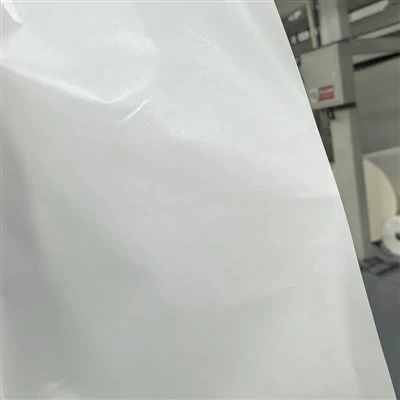
Let’s start with the basics, because not everyone I talk to fully grasps what dunnage paper is. For anyone new to the space, dunnage paper is a sturdy, textured paper product designed to fill empty space in shipping containers, pallets, or crates. It prevents items from shifting during transit, cushions fragile goods, and keeps out dust or moisture—little things that can turn a $1000 shipment into a loss if ignored. Early on, most of our work was standard: 24-inch width, 30-pound basis weight, plain brown, cut to whatever length our clients asked for. That worked for basic loads, but as supply chains got tighter and freight costs skyrocketed, “standard” just didn’t cut it.
The truth is, dunnage paper can absolutely be customized—and that customization is where so much value lives. It’s not just a nice-to-have; it’s a way to reduce damage claims, cut down on wasted packaging, and even align a brand’s packaging with their overall image. Let’s break down the types of customization we regularly do, starting with the most common request: size.
Most pallets aren’t a perfect 48×40 inches (the standard GMA pallet size), and many shipping containers have different internal dimensions. A food distributor moving 12-inch tall canned goods might need dunnage that’s 18 inches wide to fit between rows of cans without bunching. A tech company shipping 27-inch monitors might need narrower rolls so workers can tear off just the right amount for each monitor, instead of dealing with a wide roll that’s hard to handle in a cramped warehouse. We can cut rolls to any width from 6 inches to 60 inches, and sheets to custom lengths too. Even better, we can perforate the paper at specific intervals so workers don’t have to use scissors or a knife—they just tear off exactly what they need. That small change cuts down on safety incidents and saves time during loading, which adds up when you’re loading 50 pallets a day.
Next is weight and durability. Not all items need the same level of cushioning. A pallet of glass bottles needs a heavier, more tear-resistant dunnage—usually 40 to 55-pound basis weight—than a pallet of lightweight plastic toys, where a 20-pound basis weight works perfectly. The catch here is that many suppliers will push a middle-of-the-road weight for every load, which is a waste of money for clients shipping light goods. We work with clients to test their specific products: for a client shipping handmade ceramic mugs, we’ll do a drop test with a custom dunnage weight to make sure it absorbs impact, but we’ll pick the lightest weight possible so they’re not overspending on material they don’t need. That’s not just good for the client’s budget; it’s also better for their carbon footprint, since less material means lower transportation emissions from shipping the dunnage itself.
Then there’s the functional customization that’s less talked about: water resistance, anti-static properties, and even food-safe coatings. A lot of food and beverage suppliers can’t use standard brown dunnage, because it doesn’t hold up if there’s a spill from a leaking can or bottle. We can treat dunnage paper with a light polyethylene coating that repels water, so it stays in place even if there’s a minor leak. For electronics manufacturers shipping circuit boards or phone parts, anti-static dunnage is non-negotiable. Standard paper builds up static electricity, which can fry tiny components before the box even reaches the customer. We make anti-static dunnage that’s customized to the exact static dissipation level a client needs—no more, no less. And for the food industry, all our coated and uncoated dunnage is food-safe, certified to meet FDA standards because we know a lot of our clients are moving goods that will end up on people’s tables.
But here’s the part most suppliers gloss over: branded customization. I’ve lost count of how many times an e-commerce brand has told me, “Our packaging is the first thing customers see, and dunnage is the last thing. Why does it matter?” The answer is simple: unboxing experience. Customers post about branded packaging on Instagram and TikTok all the time, and dunnage paper is a huge part of that. A clothing brand can print their logo, a seasonal message, or even care instructions on the dunnage paper, turning what used to be a disposable filler into an extra touch that makes customers feel like the brand cares. We’ve done custom printing for small businesses that send out 100 orders a month, up to large retailers that send out 10,000 orders a day. We use water-based, soy inks that are safe, durable, and don’t bleed onto products, so the paper works as both filler and a marketing tool.
Of course, customization isn’t just about what we can do—it’s about making the process easy for clients, because I know how frustrating it is to work with suppliers who treat custom orders like a hassle. Early on, a client tried to order a custom roll for their pallet loads, and the supplier told them it would take two weeks and cost 30% more than standard paper. That’s when we decided to build our process around transparency. Now, we can give a quote for a custom order in 24 hours, not two weeks. We don’t charge extra for design work when you’re doing branded printing, as long as your files are print-ready. And for clients who are new to custom dunnage, we’ll send free test samples so they can test the weight, size, or coating with their own products before placing a full order. That’s a small step, but it’s one that builds trust, and trust is everything in this industry.
I’ll be honest, there are limits to what we can do, and I don’t want to oversell it. You can’t turn dunnage paper into a shipping pallet, and you can’t print a full-color photo with a million tiny details on it unless you’re willing to pay a premium. But for 95% of the requests we get, we can tailor dunnage paper to fit exactly what a client needs. I’ve had clients come to us after a bad experience with another supplier, where they ordered standard dunnage and ended up with 20% of their shipments damaged because it didn’t fit their unique pallet size. They switched to our custom perforated dunnage, and their damage rate dropped to less than 1%. That’s the kind of result that makes all the work worth it.
Another thing I love about custom dunnage is that it’s adaptable. We’ve been around long enough to see shipping trends change: first, everyone was moving full pallets, then e-commerce blew up and everyone was shipping smaller, individual boxes, now sustainability is the biggest priority. Custom dunnage lets us adjust to all of that. For clients focused on sustainability, we can make dunnage from 100% recycled paper, or even add a thin layer of biodegradable coating instead of plastic. We can make it so it’s easy to recycle with the rest of a client’s packaging, so they don’t have to separate it. For e-commerce brands, we can make dunnage that’s just the right size to fit in a shipping box without being too big, which reduces void fill waste and saves on shipping costs.
I’ve also had some unexpected custom requests over the years. A brewery came to us needing dunnage that would absorb small amounts of beer from broken bottles during transit, so it wouldn’t seep into other shipments. We worked with a chemist to add a slight absorbent coating to our dunnage, and it worked perfectly. A museum shipping fragile art pieces needed dunnage that wouldn’t scratch delicate canvases, so we started making a softer, flocked dunnage that’s gentle enough for fine art but still sturdy enough to prevent shifting. Those are the projects that remind me why customization matters: it’s not just about selling paper, it’s about solving problems that no two clients have the same way.
If you’re reading this and wondering if custom dunnage is right for your business, here’s what I’d tell you. First, don’t assume standard paper is the cheapest option. We’ve had clients calculate that switching to custom dunnage cut their packaging costs by 15% because they were buying more than they needed of standard paper, and their damage claims dropped by 20%. Second, be specific about your needs. The more you can tell us about what you’re shipping, the better we can tailor the paper. If you’re shipping fragile items, let us know what kind of transit they go through (road, air, sea). If you care about sustainability, tell us what certifications you need. Third, ask for samples. Any supplier worth their salt will send free samples so you can test the dunnage with your own products before you commit to a big order.
At the end of the day, my job as a dunnage paper supplier isn’t to push the most product or the most expensive custom option. It’s to listen to what a client needs and deliver a solution that works for their unique business. Over the years, I’ve seen too many businesses write off dunnage as just “filler,” but it’s one of the most important parts of a shipment. Customized dunnage doesn’t just prevent damage—it can improve your brand’s image, cut costs, and even help your sustainability goals.
If you’re ready to stop using one-size-fits-all dunnage and find a custom solution that fits your shipments, reach out to our team to discuss your requirements. We can walk you through our options, send samples, and work with you to create a dunnage product that makes your shipping process smoother and your products arrive safely.
Coated Paper References
- “Dunnage Paper: A Guide to Customization and Applications”, Packaging World, 2022.
- “The Impact of Custom Dunnage on Shipping Damage Rates”, Journal of Supply Chain Management, 2021.
- “Sustainable Packaging Solutions for E-Commerce”, Sustainable Packaging Coalition, 2023.
- “Anti-Static Packaging Materials for Electronics Transit”, Electronics Packaging and Production, 2022.
Zhejiang Xinzhongxin Paper Industry Shares Co., Ltd.
With abundant experience, we are one of the most professional dunnage paper manufacturers and suppliers in China. Please rest assured to buy bulk premium dunnage paper for sale here from our factory. If you have any enquiry about cooperation, please feel free to email us.
Address: NO.391-2, CHANGHE ROAD, CHANGAN, HAINING, ZHEJIANG
E-mail: info@xzxpaper.com
WebSite: https://www.zhongxinluhuan.com/
