Hey there, if you’ve been on the hunt for shipping or storage packaging lately, chances are you’ve stumbled on two big players: PCR packaging and good old paper packaging. As someone who’s been deep in the PCR packaging game for years—chasing down raw materials, troubleshooting supply kinks, and hearing every single customer complaint (the good, the bad, and the “wait, you sent the wrong size again”), I’ve had way too many debates about which one’s actually worth your time. PCR Packaging
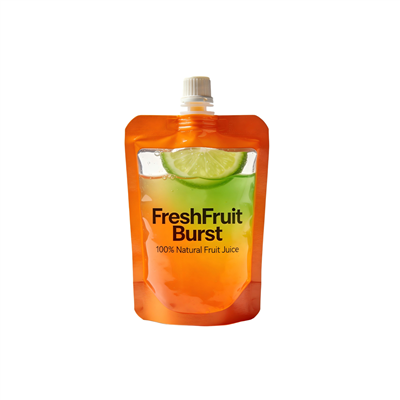
First, let’s cut through the jargon because I know how boring that is. PCR stands for Post-Consumer Recycled, right? That’s plastic that’s been used by actual people—like a water bottle you tossed in the bin, a yogurt container, whatever—cleaned, melted down, and turned into new packaging. It’s not new plastic made from oil, which is a huge win for the planet. Paper packaging, as we all know, is made from trees, usually virgin fiber, though sometimes there’s a bit of recycled paper mixed in. But let’s be real, most “recycled” paper you find at the store isn’t 100% post-consumer; it’s a mix of old boxes, newspaper, and whatever else mills can scrape together, plus virgin fiber to make it sturdier.
I get it—when I started selling PCR packaging, half my calls were from guys swearing by paper: “It’s biodegradable!” “It’s better for the planet!” “Plastic is evil!” And yeah, those points have a grain of truth, but after handling thousands of orders, fixing mistakes, and hearing what customers actually need, I’ve learned that the line between “better” and “just different” is blurrier than most people make it out to be.
Let’s start with the planet, since that’s the first thing everyone brings up. I did the math (no fancy calculator, just a notepad and a coffee at 2 a.m. one night when I was cranking out quotes) on our standard 12x10x6 shipping box. A 100% PCR plastic box uses about 60% less fossil fuel to make than a virgin plastic box, and keeps 55 pounds of plastic out of landfills—plastic that would’ve taken 400+ years to break down. Paper packaging, on the other hand, takes 20x more water to make that same box, and every ton of paper uses 17 trees. Also, paper decomposes in like 2 months if you leave it out, but it releases methane when it does, which is a greenhouse gas 25x worse than CO2. PCR plastic? It doesn’t release methane, and since it’s made from already used plastic, we’re not pulling new resources out of the ground. But wait—before you start texting your whole team to switch, paper does have a win if it’s from FSC-certified sustainable forests. The problem is, most cheap paper packaging you buy isn’t FSC-certified, so it’s probably coming from clear-cutting old growth woods, which is way worse than any plastic. I once had a customer who switched to a “eco-friendly” paper box, only to find out their supplier was cutting down trees in the Pacific Northwest, and they switched back to us within 6 months.
Next up, the stuff that actually matters when you’re running a business: functionality. Because if a box breaks and ruins your product, “it’s eco-friendly” isn’t going to save you. Let’s talk about durability first. I’ve had a customer ship 500 ceramic mugs a month for a year. They tried paper packaging first—crinkled paper, bubble mailers, the whole nine yards. Half the time, by the time the mugs arrived, there were cracks. Then they switched to our standard PCR plastic boxes with foam inserts. Since then, they’ve had less than 1% damage. Why? PCR plastic is way more impact-resistant than paper. It doesn’t tear if it gets rained on during shipping, it doesn’t crumple if you stack 5 boxes on top of it, and it doesn’t turn to mush if a delivery guy drops it in a puddle. Paper? Once it gets even slightly damp, it’s useless. I once got a panicked call at 7 a.m. from a customer who had 200 paper boxes sitting on a loading dock overnight, and it rained. They had to scramble to find a new supplier that same day, and half the shipment was late. With PCR plastic, that never happens.
But wait—PCR plastic isn’t perfect. It’s a little stiffer than paper, so if you need something that’s easy to fold and repurpose, paper wins. I have a friend who sells homemade baked goods, and she uses paper boxes because she can fold them flat in her kitchen, no bulky storage. If she used PCR plastic, she’d have to find a closet just for storing boxes. Also, paper is way easier to print on—you can get those crisp, colorful graphics, stickers, and labels without spending an arm and a leg. PCR plastic can be printed, but the ink doesn’t stick as well, and you have to use special inks that cost 30% more. That’s a big deal for small businesses that rely on their packaging to look good.
Now, cost—this is the thing that keeps me up at night, because everyone asks about it first. For bulk orders, PCR plastic packaging is usually 10-15% more expensive than paper. Wait, but hold on—you have to factor in the hidden costs. That customer with the ceramic mugs? They were losing $200 a week in damaged goods when they used paper. Switching to PCR plastic cost them an extra $0.50 per box, but they saved $800 a month in returns. That’s a no-brainer. Also, paper packaging gets damaged more during handling, so you might have to buy extra boxes to account for mistakes. With PCR plastic, you can order exactly how many you need, no waste. But if you’re a small business shipping less than 100 orders a month, paper is probably cheaper upfront. The scales tip when you’re doing higher volume, or shipping fragile, heavy, or temperature-sensitive products. Speaking of temperature—PCR plastic is way better for shipping things that need to stay cool, like skincare products or pharmaceutical samples. It insulates more than paper, so you can use less ice packs, which saves you more money.
Then there’s waste and disposal, which is the other big eco point. Everyone says paper is recyclable, and it is—sort of. Most local recycling centers don’t accept paper that’s been greasy, or has tape on it, or is mixed with other materials. If you’re shipping food, your paper packaging is probably greasy, so it’s going to the landfill anyway. PCR plastic? It’s recyclable, and most centers accept it as long as it’s clean. Even if it does end up in a landfill, it can be reprocessed into new packaging again and again—we’ve had PCR plastic that’s been recycled 5 times before it gets to us. Paper can only be recycled 2-3 times before the fibers get too short, so after that, it’s trash. I once saw a stat that 80% of paper packaging gets landfilled, not recycled, because of contamination. PCR plastic’s recycling rate is around 60%, and it’s growing every year because more cities are setting up dedicated plastic recycling for post-consumer goods. But wait—if you only have a compost bin, paper is compostable (though it takes months), and PCR plastic isn’t. It’s recyclable, not compostable, so if you throw it in your backyard, it’ll still be there when your kid goes to college. That’s a big difference for residential users.
I also have to talk about versatility, because it’s not just shipping boxes. PCR plastic comes in all shapes and sizes—mailers, clamshells, bulk bins, even protective inserts for electronics. We made a custom PCR plastic clamshell for a phone accessory company last year, and it worked way better than their previous paper clamshells, which kept folding open and scratching the phones. Paper can do custom stuff too, but not for products that are heavy or have sharp edges. I once tried to make a custom paper insert for a set of wrenches, and the paper tore after a week of use. The PCR plastic insert we made? It’s still going strong, 2 years later.
Now, let’s get real about misconceptions. A lot of people think PCR plastic is just “recycled garbage” that’s flimsy and low quality. That’s not true. We source our PCR plastic from trusted suppliers that only use post-consumer plastic, not industrial scrap, so it’s consistent. We test every batch for durability, moisture resistance, and printability, so you don’t end up with flimsy boxes that fall apart. Paper, on the other hand, can be inconsistent too—one batch might be thick, the next thin, depending on the trees they used that month.
Another common myth: PCR plastic is more toxic than paper. Nope. We use food-safe inks and coatings, so our packaging is safe for food, skincare, and even medical products. Paper can have toxic chemicals if it’s bleached or treated with preservatives, which a lot of cheap paper packaging uses to make it last longer. I once had a customer who makes organic face masks switch to our PCR plastic boxes because their paper boxes had trace amounts of chlorine, which was messing with their product’s natural ingredients.
So who should use what? Let’s break it down like I would with a customer on a late-night call:
- If you’re a small business shipping baked goods, light retail items, or something that doesn’t need extra durability, and you’re on a tight monthly budget, paper might be the way to go. It’s cheap, easy to print, and works for low-volume stuff. But if you’re shipping food that’s greasy, or any product that’s fragile, paper is going to cost you more in returns long-term.
- If you’re a mid to large business shipping fragile items, heavy goods, temperature-sensitive products, or doing high volume, PCR plastic is almost always the better choice. The upfront cost is a little higher, but the savings from less damage, less waste, and better brand image more than make up for it. Plus, customers care more about PCR plastic now than ever—we’ve had so many customers tell us their sales went up 10-15% after switching to PCR packaging because it’s seen as more sustainable.
Wait, but I can’t end this without saying there’s no one-size-fits-all answer. It all depends on your product, your budget, your shipping volume, and what you care about most. I’ve had customers use both for different lines—like a company that sells yoga mats uses PCR plastic boxes for heavy orders, and paper mailers for small accessory orders. That makes sense.
At the end of the day, I’ve been in this industry long enough to see fads come and go. “Plastic is evil” turned into “plastic is necessary but we need to use recycled plastic” over the last 10 years. Paper isn’t going anywhere, and PCR plastic isn’t either. As a PCR packaging supplier, I’m not here to tell you PCR is the only answer— I’m here to tell you to stop buying into the hype and look at what actually works for your business, and what’s actually good for the planet, not just what sounds good on a Instagram post.

If you’re tired of dealing with flimsy paper boxes that get damaged, overpaying for virgin plastic that’s not sustainable, or not sure what’s right for your products, hit us up to chat through your needs. No pushy sales stuff, no confusing contracts, just real talk about packaging that works for you and doesn’t make you feel guilty.
Flat Pouch References:
EPA. (2023). Municipal Solid Waste Generation, Recycling, and Disposal in the United States. U.S. Environmental Protection Agency.
Forest Stewardship Council (FSC). (2024). FSC Certified Forests and Products Annual Report. FSC International.
Plastic Industry Association. (2023). PCR Plastic Packaging Market and Sustainability Metrics. American Plastics Council.
Food and Agriculture Organization (FAO). (2022). Paper Packaging and Deforestation Trends. United Nations FAO.
Shandong Lepu Digital Printing Co., Ltd.
Shandong Lepu Digital Printing Co., Ltd. is one of the most professional pcr packaging manufacturers and suppliers in China, specialized in providing high quality customized service. We warmly welcome you to buy high-grade pcr packaging made in China here from our factory.
Address: 500 meters north of the intersection of Huaihai 2nd Road and Xiwu Road, Junan County, Linyi City, Shandong Province
E-mail: sales01@lepupac.com
WebSite: https://www.lepupouch.com/
