When I first started hearing from customers who were tired of their balcony grass dying under sun and wind, I realized balcony artificial turf isn’t a one-size-fits-all product. For three years as a balcony artificial turf supplier, I’ve tested every type I stock on my own small city balcony (yes, I use the same products I sell) and listened to hundreds of renters, homeowners, and apartment building managers. The balcony is a unique space: it’s smaller than a backyard, gets more direct sun or wind depending on your floor, and has different weight limits than a yard. That means the turf you pick has to fit your space’s specific needs—not just look green. Let me walk you through the main types I recommend, based on what I’ve learned from real balcony users. Artificial Turf for Balcony
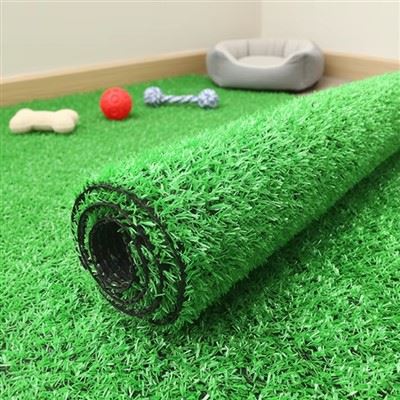
First up: Monofilament Polypropylene Turf. I’ll admit I used to skip this because I thought it was too flimsy, but I’ve since changed my tune for balconies that get heavy wind or are on a high floor. Monofilament fibers are thin, individual strands, made from polypropylene rather than nylon. For balconies, this is a game-changer because it’s lightweight—critical if your balcony has a weight limit (many older apartment buildings cap outdoor deck weight at 50 pounds per square foot, and natural turf with soil is way over that, even if you use a sub-base). I installed a 2×4 foot sample on my 12th floor balcony during a recent storm, and it didn’t ruffle at all. The downside? It doesn’t hold up as well to heavy foot traffic, like if you host weekly balcony BBQs. If your balcony is more of a quiet reading nook with occasional bare feet, this is perfect. Another plus: it drains fast, which is huge for small balconies that get pooled water after rain. I’ve seen customers use this with a thin rubber underlay to make it softer for kids, without adding excess weight.
Next: Hybrid Polyethylene-Nylon Turf. This is the bestseller in my shop, and for good reason. Hybrid turf blends the soft, natural-looking blades of polyethylene (PE) with the durability of nylon. Balconies that get mixed use—daily foot traffic, a few potted plants, maybe a small dog or two—love this. The PE blades mimic the soft, lush feel of real grass, so if you’re someone who misses sitting on soft grass in your small space, this is a no-brainer. The nylon core makes it resistant to crushing, which is a common problem with pure PE turf when you move a patio chair around or step on it repeatedly. I installed 10 square feet of this on my ground-floor balcony last year, where my niece visits to play with her tiny soccer ball. The blades still stand straight, no flattened patches. One thing to note: hybrid turf is a bit heavier than polypropylene, so it’s important to check your balcony’s weight limit before ordering. I always suggest customers measure their balcony space, check the building’s rules, and if in doubt, send a photo—I’ll help them gauge the weight. Also, it’s UV-stabilized, so it won’t fade like cheap turf after just one summer, which is key for balconies that get 6+ hours of direct sun daily.
Then there’s Short Pile Polyethylene Turf—sometimes called “pet turf,” though I don’t limit it only to pet owners. Short pile is exactly what it sounds like: blades that are ½ to ¾ inches long, much shorter than the 1.5-inch blades in hybrid turf. For balconies where you need to fit extra items—like a small bistro set, storage bins, or a vertical herb garden—this is ideal because it’s low-profile. It’s super easy to clean, too: crumbs, spilled soda, or even pet accidents (if it’s the pet-specific variety) just brush or rinse off. I installed this on a customer’s balcony in a downtown studio apartment, where her main priority was having space for a dining table and a herb planter. The short height meant she didn’t have to climb over long blades to set out her meal, and it didn’t look bulky. The trade-off? It’s not as soft as longer-pile turf, so if you like to sit directly on the grass with a blanket, you might want to add a thin, flexible underlay for cushion. Also, it’s less durable for heavy, sharp items—like moving a metal grill around—than hybrid turf, so it’s best for low-to-moderate use.
Wait, I should mention Synthetic Turf with Drainage Mats Built-In—this is a specialized type that’s designed specifically for balconies, not just cut from backyard turf. Most artificial turf for yards needs a sand infill to keep blades upright, but that sand adds weight and can clog balconies’ drainage gaps. Balcony-specific turf with integrated drainage replaces sand with a porous, lightweight mat (usually made of recycled rubber) underneath the blades. The water drains straight through the mat and out the balcony’s drainage holes, so you never get puddles or standing water that can damage your balcony’s floor or cause mold. I had a customer with a second-floor balcony that had a history of water seeping into the apartment below; she tried regular hybrid turf and the water pooled, so switching to this drainage-style turf fixed the problem entirely. It’s a bit more expensive upfront, but it saves you from potential damage fees and the hassle of cleaning mold. The only thing is, it’s not great if you have heavy foot traffic over a long period, because the mat can compress over time. So it’s perfect for casual use, pet-free balconies, or spaces where drainage is a top concern.
I also get a lot of questions about Budget-Friendly Nylon Turf for people who just need a quick fix. This is the most affordable option, but it’s important to manage expectations. It fades faster, usually after 1-2 years of strong sun, and can get matted down easily if you have furniture. I only recommend this for temporary setups—like if you’re renting an apartment for a year and don’t want to invest a lot, or if you’re staging a balcony for a short-term rental. Even then, I usually suggest adding a top-quality UV spray to help it last a bit longer, because the last thing you want is to have to replace it before your lease is up.
Now, let’s talk about what I wish more customers thought about when choosing balcony turf, beyond the type. First, balcony space limits aren’t just square footage—weight limits are non-negotiable. A 10×10 foot area of hybrid turf can weigh up to 100 pounds, while the same area of polypropylene turf is closer to 40 pounds. If your building doesn’t allow extra weight, even for patio furniture, polypropylene or drainage-style turf is the way to go. Second, sun exposure: if your balcony is shaded most of the day, you can get away with cheaper turf, but if it’s full sun, you need UV-stabilized blades. I’ve had customers buy non-UV turf and come back in fall complaining their balcony looked yellow and dead—avoid that. Third, easy cleaning: balconies get more debris than backyards, especially if you’re on a high floor where dust and dirt blow in. Short pile turf is way easier to sweep, while longer pile might trap more debris between blades.
For someone who’s never installed artificial turf on a balcony before, it can feel overwhelming. I offer free advice to every customer—send photos of your balcony, tell me how you use the space (do you have pets? Host often? Need extra space for plants?), and I’ll point you to the right type. I’ve worked with renters in 5th-floor walkups who needed lightweight turf, apartment building managers for 20-unit complexes who needed durable hybrid turf, and homeowners with small back balconies who wanted something soft for their kids. The key is that there’s no “best” type—only the best type for your specific balcony.
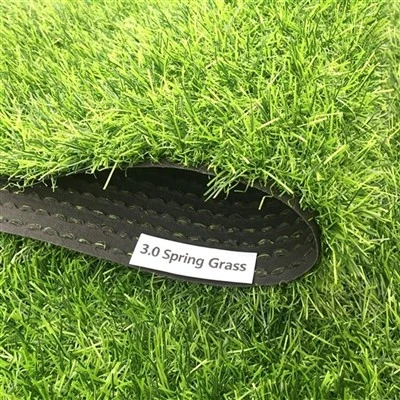
If you’re tired of looking at a bare, dirty, or dying balcony space and ready to make the switch to artificial turf, I’m here to help. We offer samples so you can feel the texture in your space before you buy, and we provide installation tips (or can connect you with local installers) if you don’t want to do it yourself. Don’t guess which type is right for your balcony—reach out to us today to chat through your needs and get a tailored recommendation. You’ll turn your small balcony into a year-round green space, no mowing, watering, or maintenance required.
Residential Lawn References
- Artificial Turf Institute. (2022). Balcony Turf Selection Guide: Weight, Durability, and Drainage.
- National Apartment Association. (2021). Outdoor Space Guidelines for Multi-Family Balconies: Weight Limits and Materials.
- University of Florida Institute of Food and Agricultural Sciences. (2023). UV Stability Testing for Synthetic Landscape Turf.
- Green Building Council. (2022). Sustainable Outdoor Materials for Small Urban Spaces.
Yiwu Duofu Artificial Flower Co., Ltd.
As one of the most professional artificial turf for balcony manufacturers and suppliers in China, our products have good reputation in the market. Please feel free to wholesale bulk custom made artificial turf for balcony from our factory. Good service and quality products are available.
Address: Building B, No. 566 Chunhua Road
E-mail: 13373813738@aliyun.com
WebSite: https://www.chinaturffactory.com/
