When it comes to PLC cabinets, the finish options play a crucial role not only in the aesthetic appeal but also in the functionality and durability of the cabinets. As a supplier of PLC cabinets, I’ve had the privilege of working with a diverse range of clients, each with their unique requirements and preferences. In this blog post, I’ll delve into the various finish options available for PLC cabinets, exploring their benefits, applications, and considerations. Plc Cabinet
Powder Coating
Powder coating is one of the most popular finish options for PLC cabinets. It involves applying a dry powder to the surface of the cabinet, which is then heated to form a hard, durable finish. This finish offers several advantages, making it a top choice for many applications.
One of the primary benefits of powder coating is its durability. The powder coating forms a tough, protective layer that resists scratches, chips, and corrosion. This makes it ideal for PLC cabinets that are exposed to harsh environments, such as industrial settings or outdoor installations. Additionally, powder coating provides excellent UV resistance, preventing the cabinet from fading or discoloring over time.
Another advantage of powder coating is its aesthetic appeal. It is available in a wide range of colors and finishes, allowing you to choose the one that best suits your needs and preferences. Whether you prefer a glossy, matte, or textured finish, powder coating can provide the desired look for your PLC cabinet.
Powder coating is also an environmentally friendly option. Unlike traditional liquid paints, powder coating does not contain solvents, which means it produces fewer volatile organic compounds (VOCs). This makes it a more sustainable choice for the environment and for your workplace.
However, there are some considerations to keep in mind when choosing powder coating for your PLC cabinets. The powder coating process requires specialized equipment and expertise, which can increase the cost of the finish. Additionally, the curing process can take several hours, which may delay the production of your cabinets.
Galvanization
Galvanization is another popular finish option for PLC cabinets, especially for those that are exposed to corrosive environments. It involves coating the cabinet with a layer of zinc, which provides a protective barrier against rust and corrosion.
The main advantage of galvanization is its excellent corrosion resistance. The zinc coating acts as a sacrificial anode, which means it corrodes before the underlying metal. This helps to protect the cabinet from rust and extends its lifespan. Galvanized cabinets are commonly used in outdoor applications, such as in the oil and gas industry, where they are exposed to harsh weather conditions and corrosive chemicals.
Galvanization also provides a long-lasting finish. The zinc coating is highly durable and can withstand abrasion and impact. This makes it suitable for PLC cabinets that are subject to rough handling or heavy use.
However, galvanization has some limitations. The process can be expensive, especially for large cabinets. Additionally, the zinc coating can be prone to scratching, which can expose the underlying metal to corrosion. To mitigate this, it is important to handle galvanized cabinets with care and avoid scratching the surface.
Anodizing
Anodizing is a finish option that is commonly used for aluminum PLC cabinets. It involves creating an oxide layer on the surface of the aluminum, which provides a protective and decorative finish.
One of the main advantages of anodizing is its corrosion resistance. The oxide layer acts as a barrier, preventing the aluminum from coming into contact with oxygen and moisture, which can cause corrosion. Anodized aluminum cabinets are ideal for applications where corrosion resistance is a priority, such as in marine or coastal environments.
Anodizing also offers excellent durability. The oxide layer is hard and scratch-resistant, which helps to protect the cabinet from damage. Additionally, anodizing can enhance the aesthetic appeal of the cabinet, as it is available in a variety of colors and finishes.
Another benefit of anodizing is its low maintenance requirements. The oxide layer is self-healing, which means that minor scratches and abrasions will not affect the corrosion resistance of the cabinet. This makes anodized aluminum cabinets a cost-effective option in the long run.
However, anodizing has some limitations. The process can be expensive, especially for large cabinets. Additionally, anodizing is only suitable for aluminum cabinets, so it may not be an option if you are using a different material.
Painted Finishes
Painted finishes are a versatile option for PLC cabinets, offering a wide range of colors and finishes to choose from. They can be applied to a variety of materials, including steel, aluminum, and plastic.
One of the main advantages of painted finishes is their aesthetic appeal. You can choose from a wide range of colors and finishes, including glossy, matte, and textured finishes, to achieve the desired look for your PLC cabinet. Painted finishes can also be customized with logos, labels, or other graphics, which can help to enhance the brand identity of your cabinets.
Painted finishes also provide some level of protection against corrosion and wear. However, the level of protection depends on the type of paint used and the quality of the application. High-quality paints can provide excellent protection, but they may also be more expensive.
When choosing a painted finish for your PLC cabinets, it is important to consider the environment in which the cabinets will be used. For example, if the cabinets will be exposed to harsh chemicals or abrasive materials, you may need to choose a paint that is resistant to these substances. Additionally, you should ensure that the paint is applied correctly to ensure a long-lasting finish.
Stainless Steel Finishes
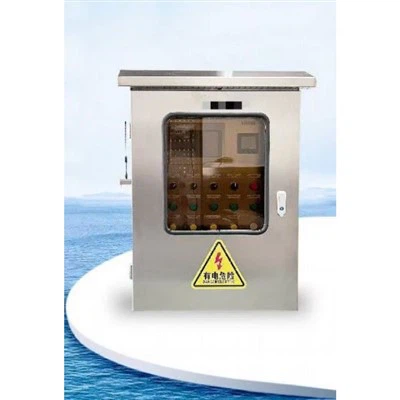
Stainless steel is a popular material for PLC cabinets, especially for applications where corrosion resistance and durability are a priority. Stainless steel cabinets can be finished in a variety of ways, including brushed, polished, and mirror finishes.
One of the main advantages of stainless steel finishes is their excellent corrosion resistance. Stainless steel contains chromium, which forms a thin, protective layer on the surface of the metal, preventing it from rusting. This makes stainless steel cabinets ideal for applications where they are exposed to moisture, chemicals, or other corrosive substances.
Stainless steel finishes also offer a modern and professional look. The smooth, reflective surface of stainless steel can enhance the aesthetic appeal of the cabinets and make them stand out in any environment. Additionally, stainless steel is easy to clean and maintain, which makes it a practical choice for PLC cabinets.
However, stainless steel finishes can be more expensive than other finish options. The cost of stainless steel cabinets depends on the grade of stainless steel used, the thickness of the material, and the finish applied. Additionally, stainless steel can be prone to fingerprints and smudges, which may require regular cleaning to maintain its appearance.
Considerations When Choosing a Finish
When choosing a finish for your PLC cabinets, there are several factors to consider. These include:
- Environment: Consider the environment in which the cabinets will be used. If the cabinets will be exposed to harsh chemicals, moisture, or abrasive materials, you may need to choose a finish that is resistant to these substances.
- Aesthetic Appeal: Choose a finish that matches the overall look and style of your facility. Consider the color, texture, and finish of the cabinets to ensure they blend in with the surrounding environment.
- Durability: Consider the durability of the finish. If the cabinets will be subject to rough handling or heavy use, you may need to choose a finish that is scratch-resistant and can withstand impact.
- Cost: Consider the cost of the finish. Different finishes have different costs, so it is important to choose a finish that fits within your budget.
- Maintenance: Consider the maintenance requirements of the finish. Some finishes may require more frequent cleaning or maintenance than others, so it is important to choose a finish that is easy to maintain.
Conclusion
In conclusion, the finish options for PLC cabinets play a crucial role in the functionality, durability, and aesthetic appeal of the cabinets. As a supplier of PLC cabinets, I understand the importance of choosing the right finish for your specific needs. Whether you choose powder coating, galvanization, anodizing, painted finishes, or stainless steel finishes, each option has its own advantages and considerations.
When choosing a finish for your PLC cabinets, it is important to consider the environment in which the cabinets will be used, the aesthetic appeal, the durability, the cost, and the maintenance requirements. By taking these factors into account, you can choose the finish that best suits your needs and preferences.
Marine Electrical Panel If you are interested in purchasing PLC cabinets or have any questions about the finish options available, please contact us. Our team of experts will be happy to assist you in choosing the right finish for your PLC cabinets.
References
- ASM International. (2004). Handbook of Corrosion Engineering. ASM International.
- Koblitz, H. (2010). Powder Coating: Principles and Practice. Vincentz Network.
- Metals Handbook Committee. (1990). Metals Handbook: Properties and Selection: Nonferrous Alloys and Pure Metals. ASM International.
Yuanzhuo Electrical Equipment (Jiangsu) Co., Ltd.
We’re well-known as one of the leading plc cabinet manufacturers and suppliers in China. We warmly welcome you to wholesale high quality plc cabinet at competitive price from our factory. If you have any enquiry about cooperation, please feel free to email us.
Address: Group 8, Chengdong Village, Fucheng Sub-district Office, Funing County
E-mail: markcheng1358@126.com
WebSite: https://www.yzdlchina.com/
