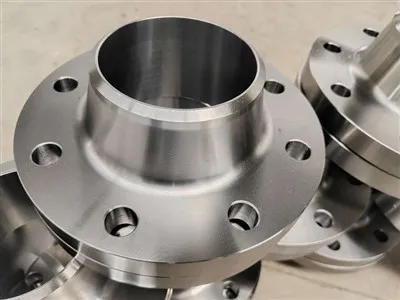
As a supplier of Ks Flanges, I’ve witnessed firsthand the importance of extending the service life of these crucial industrial components. Ks Flanges play a vital role in various piping systems, connecting pipes, valves, pumps, and other equipment. Ensuring their longevity not only saves costs but also enhances the overall efficiency and safety of the systems they are part of. In this blog, I’ll share some practical tips on how to extend the service life of Ks Flanges based on my years of experience in the industry. Ks Flange
1. Proper Installation
The first step in ensuring a long – lasting Ks Flange is proper installation. Incorrect installation can lead to premature failure, leaks, and other issues.
- Alignment: When installing Ks Flanges, it’s essential to ensure perfect alignment between the two flanges. Misalignment can cause uneven stress distribution on the flange faces, leading to fatigue and eventual leakage. Use alignment tools such as laser alignment devices to achieve accurate alignment. Make sure that the bolts are evenly tightened in a cross – pattern to ensure a uniform seal.
- Gasket Selection: The gasket is a critical component in a flange connection. It provides the seal between the two flange faces. Choose the right gasket material based on the application requirements, such as the type of fluid or gas, temperature, and pressure. For example, if the flanged joint will be exposed to high – temperature steam, a high – temperature – resistant gasket like graphite or ceramic fiber should be selected.
- Bolt Torque: Each Ks Flange has a specified bolt torque value. Over – tightening or under – tightening the bolts can create problems. Over – tightening can damage the flange or the gasket, while under – tightening can result in leaks. Use a torque wrench to ensure that the bolts are tightened to the recommended torque. Check the torque periodically, especially after the initial installation and during regular maintenance.
2. Corrosion Prevention
Corrosion is one of the main factors that can shorten the service life of Ks Flanges. Taking steps to prevent corrosion can significantly extend their lifespan.
- Material Selection: When choosing Ks Flanges, consider the environment in which they will be used. For corrosive environments, select flanges made of corrosion – resistant materials. Stainless steel is a popular choice as it offers excellent corrosion resistance due to the presence of chromium, which forms a passive oxide layer on the surface. Other materials like alloy steel with added corrosion – resistant elements can also be considered for specific applications.
- Coating and Painting: Applying a protective coating or paint to the surface of the Ks Flange can provide an additional layer of protection against corrosion. Epoxy coatings, for example, are widely used because they are resistant to chemicals, moisture, and abrasion. Before applying the coating, make sure the flange surface is clean and free of rust and debris. Follow the manufacturer’s instructions for proper application and curing.
- Environment Control: If possible, control the environment around the Ks Flanges. For example, in a wet or humid environment, proper ventilation can help reduce the moisture content in the air, which in turn reduces the risk of corrosion. In industrial settings where chemicals are present, ensure proper containment and spill prevention measures to minimize the exposure of the flanges to corrosive substances.
3. Regular Inspection and Maintenance
Regular inspection and maintenance are crucial for early detection of potential problems and ensuring the long – term performance of Ks Flanges.
- Visual Inspection: Conduct regular visual inspections of the Ks Flanges. Look for signs of corrosion, leaks, cracks, or any other damage. Check the gasket for wear or signs of degradation. If any issues are detected, take immediate action to address them. For example, if a small crack is found, it may be possible to repair it using appropriate welding techniques, depending on the material and the severity of the crack.
- Non – Destructive Testing: In addition to visual inspection, non – destructive testing methods such as ultrasonic testing, magnetic particle testing, or dye penetrant testing can be used. These methods can detect internal flaws or cracks that may not be visible to the naked eye. For critical applications, schedule regular non – destructive testing to ensure the integrity of the flanges.
- Lubrication: If the Ks Flanges have moving parts, such as bolts or nuts, proper lubrication is essential. Lubrication reduces friction, prevents galling, and makes it easier to tighten and loosen the bolts during maintenance. Use a high – quality lubricant that is compatible with the flange material and the operating environment.
4. Load Management
Ks Flanges are designed to withstand specific loads. Exceeding these loads can lead to premature failure.
- Understand Design Loads: Before installing the Ks Flanges, make sure you understand their design loads, including pressure, temperature, and mechanical loads. Do not operate the piping system beyond the specified limits. If there are any changes in the operating conditions, such as an increase in pressure or temperature, consult with an engineer to determine if the existing flanges are suitable or if they need to be replaced.
- Shock and Vibration Isolation: Piping systems can be subject to shock and vibration, which can put additional stress on the Ks Flanges. Use shock absorbers, vibration isolators, or flexible connectors to reduce the impact of shock and vibration on the flanges. This can help prevent fatigue failure and prolong the service life of the flanges.
5. Training and Education
Proper training and education of the personnel involved in the installation, operation, and maintenance of Ks Flanges are essential.
- Installation Training: Provide comprehensive training to the installation team on the proper installation procedures for Ks Flanges. This includes alignment, gasket installation, bolt tightening, and other important steps. Ensure that the installers are familiar with the specific requirements of the Ks Flanges being used.
- Operation and Maintenance Training: Train the operators and maintenance staff on how to operate the piping system safely and how to conduct regular maintenance on the Ks Flanges. Teach them how to recognize the signs of potential problems and how to take appropriate action. This can help prevent costly breakdowns and extend the service life of the flanges.
In conclusion, extending the service life of Ks Flanges requires a comprehensive approach that includes proper installation, corrosion prevention, regular inspection and maintenance, load management, and training. By following these tips, you can ensure that your Ks Flanges perform reliably for many years, saving you time and money in the long run.
If you are looking for high – quality Ks Flanges or need more advice on flange selection and maintenance, I’d be more than happy to assist. Contact us to start a purchase negotiation and find the best solutions for your piping system needs.
Bolt and Nut References
- "Pipeline Flanges and Gaskets Handbook" – A comprehensive guide on all aspects of flanges, including design, installation, and maintenance.
- "Corrosion Prevention in Industrial Environments" – A valuable resource on understanding and preventing corrosion in industrial settings.
- Manufacturer’s technical manuals for Ks Flanges, which provide detailed information on installation, operation, and maintenance requirements.
Shanxi Xinshunda Flange Manufacturing Co., Ltd.
As one of the most professional ks flange manufacturers and suppliers in China, we also support customized service with competitive price. We warmly welcome you to wholesale high quality ks flange for sale here from our factory. For quotation, contact us now.
Address: Zhunagli Industrial Zone,jinchang Town,dingxiang,shanxi,china
E-mail: sales01@xinflange.com
WebSite: https://www.xinflange.com/
